COVID-19 and Virus Disinfection
After an outbreak, virus disinfection treats shared spaces, offices and homes.
See covid-19 and virus disinfectionGet infectious disease cleanup for a home, office, school, rental or shared space in Queenstown. The process covers cleaning, EPA-registered disinfectants, label contact time and a final check of treated surfaces.
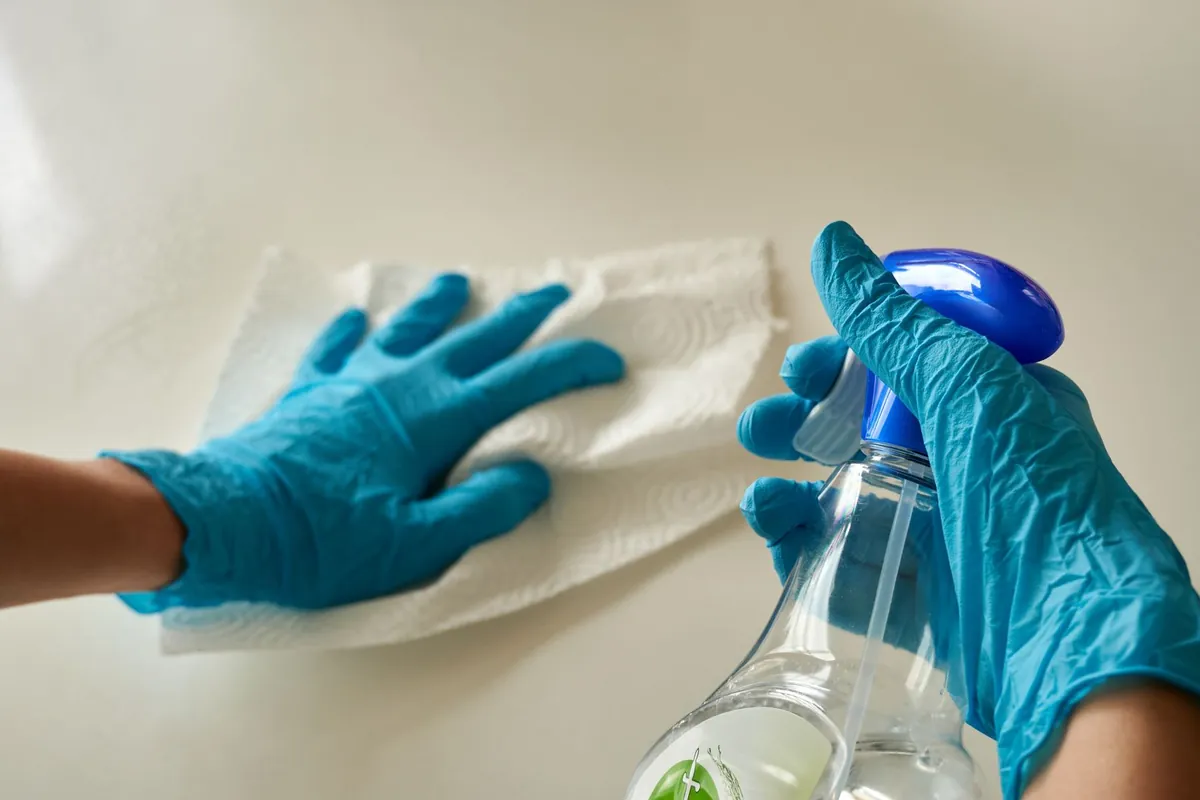
Infectious disease cleanup uses an organized cleaning and disinfection plan wherever disease-causing bacteria, viruses or other germs may be present. Attention is given to the affected zone, nearby surfaces and objects touched often.
The cleaning process begins by identifying how the space is used, what contamination may be present and which surfaces can tolerate the selected product. Visible soil is removed first. An EPA-registered disinfectant is then applied according to its label, including the listed contact time. A surface must stay wet for that time so the product can work as directed.
This service can fit a home, office, school, restaurant, rental property, healthcare setting or shared vehicle. It is different from routine cleaning services because the scope is tied to a suspected or confirmed infectious disease concern. It is also different from biohazard remediation involving blood, bodily fluids or hazardous materials, which may require removal, waste disposal and added protective equipment.
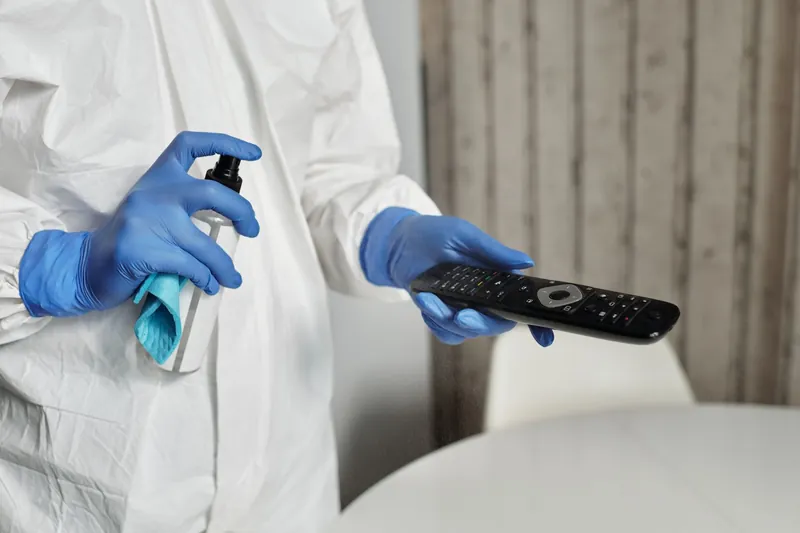
You should get a clear explanation of product choice, mixing, compatible materials and contact time, without claims that brief spraying will work.
Sensitive items can be identified before work begins, and you can discuss what may be cleaned, moved or left untouched.
The scope should tell you what happens step by step, which spaces and items receive treatment and which areas do not.
For privacy, crews can arrive in unmarked vehicles, remain inside affected areas and avoid drawing notice while you move forward.
You may need infectious disease cleaning when ordinary janitorial work cannot address a known illness, suspected exposure or contamination incident. Common examples are:
These cleanup services use a planned treatment for customer areas, employee spaces, restrooms, break rooms and common touchpoints.
A defined scope for offices, schools, rentals and other places where several people use the same rooms and fixtures.
Your household can receive focused work across shared living areas, kitchens, bathrooms and bedrooms when extra help is needed.
Treatment follows label directions one surface at a time and focuses closely on areas people touch often.
Your immediate priorities are stopping anyone from touching the affected space and telling technicians what occurred. Before they begin work:
Call (888) 440-9227Virus decontamination appears in published cost guides at $1,500 to $3,500 for each job. Those guides put one infectious disease decontamination range at $1,000 to $8,000 and the other at $2,000 to $8,000 per job. A separate biohazard cleanup cost guide gives $1,500 to $10,000 per job for infectious disease disinfection. Costs vary with the germ, size of the space, number of surfaces, required air system work and need for testing.
These ranges come from published national cost guides, not from a site visit. You learn what your property will cost after the on-site assessment and before any work begins.
Ask about cost: (888) 440-9227Insurance coverage varies with your policy, the contaminated property and what caused the event. Preventive cleaning and routine disinfection should not be presumed covered. When possible, ask the insurance company about your specific circumstances before authorizing work.
The involved section of the property and your lease can determine responsibility. Read those documents before deciding who authorizes the work.
Insurance assistance may compile your invoices, cleanup scope, list of treated surfaces and suitable photos showing the affected area.
Ask whether contamination cleanup is covered, what deductible applies and whether the insurer needs photos, a scope or other records.
A commercial policy can address cleanup costs differently than homeowners insurance does. Your policy terms and what caused the loss determine the outcome.
The suspected germ, disinfectant instructions and affected spaces shape the remediation plan. Each stage serves a specific role, beginning with entry control and ending with confirmation that the agreed scope is finished.
Cleanup involves noting fragile materials, high-contact areas, rooms and any bodily fluids or waste capable of changing the planned work.
Access is restricted and a route from clean areas toward dirty ones protects surrounding spaces from equipment and people walking through.
Selection of protective equipment and gloves reflects the chemical, job and exposure identified during scoping.
Before disinfection, suitable methods clear visible residue, dust and dirt from each type of surface.
For the complete contact time, surfaces that tolerate the product are kept wet with an EPA-registered disinfectant prepared as labeled.
Door hardware, switches, counters, bathroom fixtures and shared equipment receive deliberate coverage rather than a general mist alone.
Tools kept for reuse undergo cleaning, while disposable items are contained and hazardous waste is isolated for proper disposal.
The entire process finishes with areas compared against the scope and a clear account for you of every treated room and surface.
Call any hour. A specialist in infectious disease disinfection takes your call, explains each step and agrees on a start time with you.
The biggest concerns are contamination exposure, improper use of a product and surfaces being missed where people make contact. A thorough process reduces these risks with more than a brief spray.
A contaminated shoe, glove, cloth or tool can transfer material onto another surface. Setting work boundaries and following an organized route lowers that risk.
Viruses and bacteria differ in how they spread and how long they remain viable. The plan for disinfection is shaped by the location, material and suspected germ.
Contaminated materials may protect germs from disinfectant, while unnecessary contact can pose serious health risks. Before using the right product for the required contact time, cleaning needs to clear all visible residue.
Can you clean it yourself? When no exposure is known and neither hazardous waste nor bodily fluid is present, normal cleaning may suffice. Professional cleanup offers you a documented, consistent approach if illness reaches multiple rooms, the space serves someone vulnerable or the affected area cannot be clearly defined.
Most disinfection for infectious disease treats existing surfaces without tearing materials out. Cleanable items are retained when this can be done safely. Materials affected by bodily fluids, or contamination that cleaning cannot remove, may follow a separate plan for disposal.
Cleanup time varies with the affected area's size, the quantity of surfaces, required contact time for the product and the ability to divide treatment into sections. A reliable schedule can only be determined after the site is assessed.
| Scene | Typical time on site |
|---|---|
| Focused area in a home | Frequently finished during a single work period |
| Multiple rooms or a shared worksite | May be completed through planned sections or one longer session |
| A sizable building or varied combination of surfaces | Could take multiple scheduled periods of work |
Disinfecting for infectious disease does not necessarily remove an odor. Persistent smells can have other sources, such as moisture, an animal, sewage, spoiled food or bodily fluids, and that source may require a different cleanup service. Fragrance cannot take the place of disinfection or cleaning. Masking a smell also leaves its cause in the space.
Air quality needs vary according to what happened. Work on an air system is distinct from ventilation and surface wiping. When HVAC components or air treatment are within the scope, methods must fit both the structure and its occupied-space directions. High-touch cleaning, complete product coverage and the label's required contact time must still occur, even if spraying or fogging is used.
The full infectious disease disinfection guide covers what is cleaned or removed, odor and air quality work, and the rules that apply in Queen Anne's County.
Read the full infectious disease disinfection guideContainment, entry and cleanup plans can be influenced by local housing, population and access details.
The 26.1% renter share suggests many residents can make direct decisions about removing contaminated flooring, walls, or personal items.
A median build year of 1976 means fluids can pass through carpet or seams and affect padding or subfloor below.
In Queenstown, 54 older adults live alone, making privacy important when relatives, landlords, or building staff become involved.
At 87.6% single-family housing, cleanup boundaries may include attached garages, utility rooms, or storage areas beyond the main room.
You can ask about cleanup in nearby communities and ZIP codes during the call.
After an outbreak, virus disinfection treats shared spaces, offices and homes.
See covid-19 and virus disinfection
Homes, care environments and gyms receive cleanup for MRSA, C. diff and norovirus.
See mrsa, c. diff and norovirus cleanup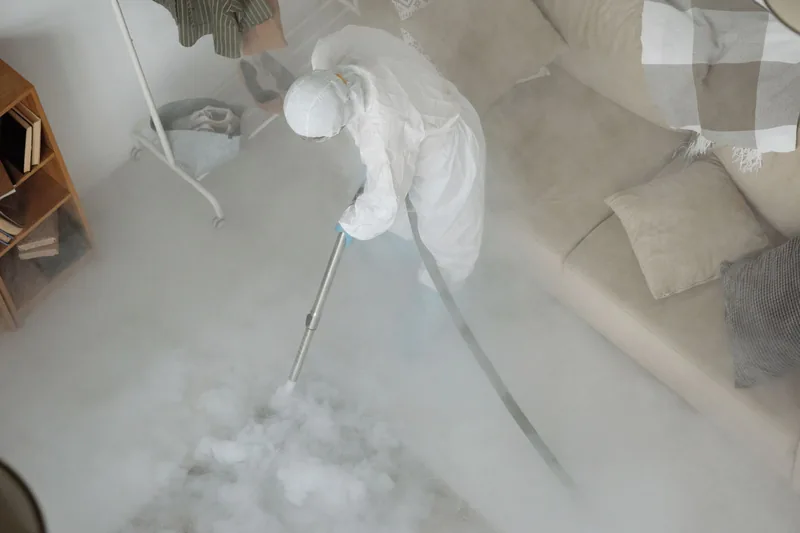
Complete decontamination treats the room, its surfaces and the air after a hazardous or infectious exposure.
See biohazard decontamination
Contamination is cleared through biological remediation, returning the space to safe use.
See biohazard remediation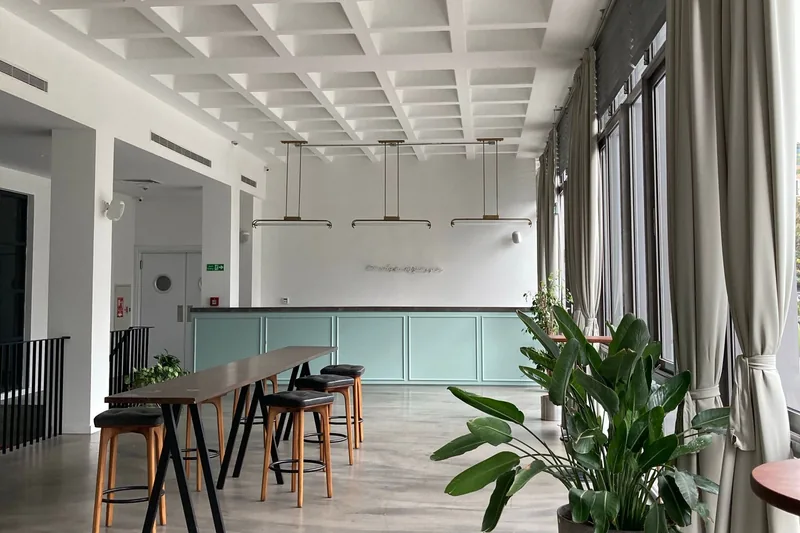
Commercial and industrial sites receive biohazard cleanup arranged around operating needs and site access.
See commercial and industrial biohazard cleanup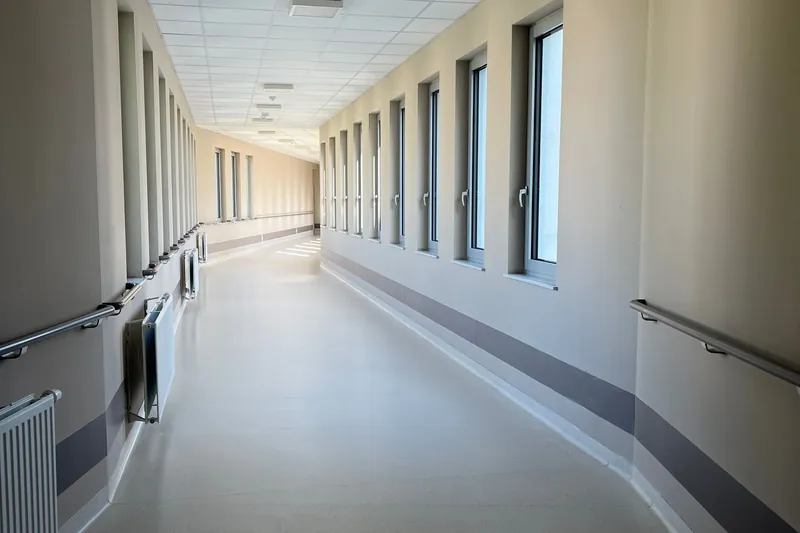
Healthcare biohazard cleanup covers clinics, care facilities and residential care homes.
See hospital and healthcare biohazard cleanup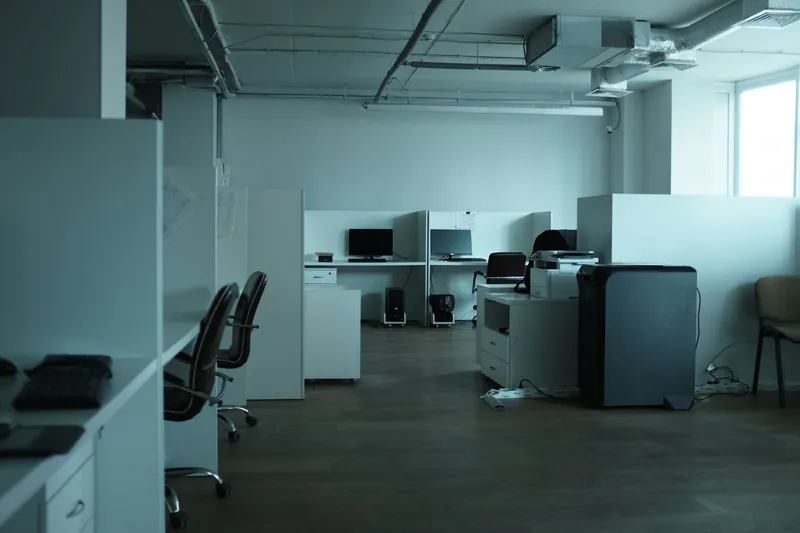
After exposure or injury, workplace biohazard cleanup covers offices and other work sites.
See office and workplace biohazard cleanup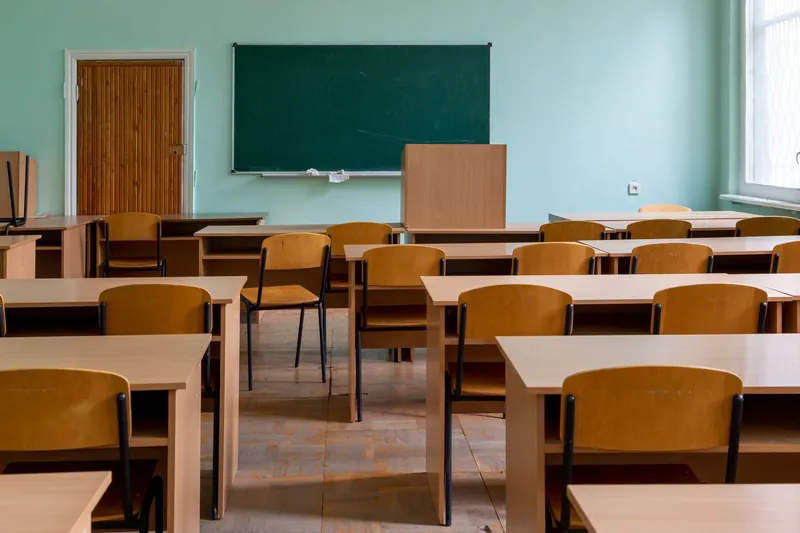
When classes are not in session, biohazard cleanup addresses schools and childcare settings.
See school and daycare biohazard cleanupA registered disinfectant may contain alcohol, yet its ingredient list alone cannot confirm that the product fits a particular surface or germ. The product label must cover how you plan to use it, and you need to follow the stated instructions and contact time. Drinking alcohol, mixtures made at home and unlabeled products are not reliable choices for disinfection.
Environmental control can begin with restricted access, followed by soil removal and disinfection of suitable surfaces. Infection control also includes personal hygiene, protective equipment and following current health guidance. The exact measures depend on the setting and suspected germ, so a healthcare facility may use different protocols from a home, office or restaurant.
There is no single environmental step that fits every disease and setting. Depending on the situation, cleaning and disinfection, hand hygiene, airflow, protective equipment and advised separation from others may all be important. Use up-to-date directions for the illness involved. Surface treatment must include initial cleaning and the full contact period stated on the disinfectant label.
Bacteria that cause disease can present a biological hazard, although numerous types of bacteria are not harmful. The level of concern depends on the organism, the route of exposure and the setting. Ordinary surface disinfection may not be enough when contamination with sewage, medical waste, bodily fluids or blood calls for biohazard cleanup.
Do not assume urine should be treated alike in every situation. Applicable disposal rules, volume, any blood and the related health condition all affect how the material is managed. Before cleanup, prevent direct contact and other people's access, then describe the circumstances clearly so suitable protective gear and disposal can be selected.
First remove soil and material you can see, then use an EPA-registered product on suitable surfaces that receive frequent contact. For protective gear, application, ventilation and wet time, follow all directions printed on the label. Wash reusable cleaning tools as directed, contain disposable materials and avoid carrying used cloths or gloves into surrounding areas.
You can request respectful, discreet infectious disease disinfection 24 hours a day, and crews use unmarked vehicles.